Nâng cao mọi trang phục

Weaving is the main way of fabric formation. The Woven Interlining is formed by braiding on each other and below. There are many natural and man-made woven fabrics, including denim, wide cloth, silk, satin, flannel and twill. The fabric line can be made of cotton, linen, bamboo, polyester or even rayon.As with any industry, time and labor are reflected in the cost of goods.
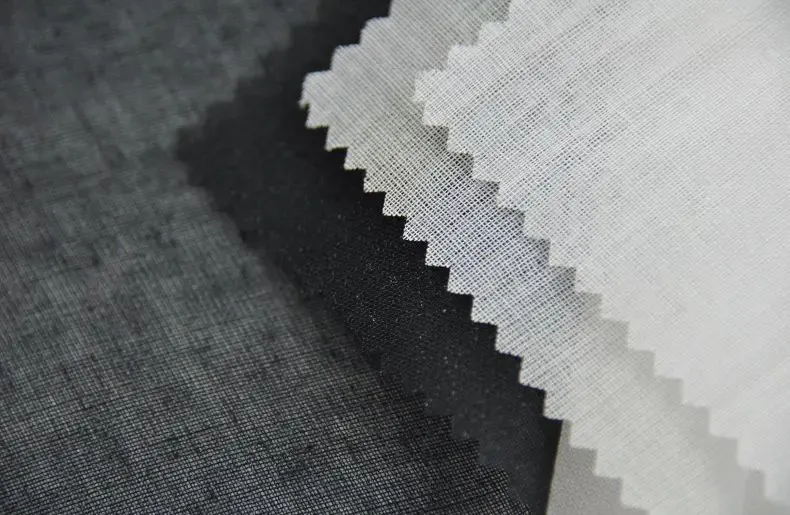
The braid is formed on the loom and made of sturdy. The fabric can not be stretched without shrinkage. Although this does produce a higher quality of clothing, it increases the cost of production. Other fabrics such as knitted fabrics are made from machines and can be stretched using steam engines. This makes the fabric cheaper, but not so strong. That's why a pair of jeans is easy to overtake a T-shirt.Woven interlining are rigid and make them ideal for older workwear, such as jeans and overalls.
This also makes the fabric feel softer than the knit fabric. Knitted fabric soft, with the body movement, if necessary, stretching and stretching. The only drawback of woven fabrics in comfort is that they may be holding the wrong place.Most cotton fabrics, such as denim, are easy to wash and usually do not shrink or wrinkle.
Other textile fabrics such as linen and silk fabrics may be laborious when washed, especially if the fabric needs dry cleaning or pressing.Weaving is far more than most other fabrics, such as knitting, which is why so many heavy fabrics are woven. Examples of woven fabrics include denim, linen, corduroy and tweed. Knitted fabrics are comfortable, but due to the overall stretchability, not suitable for heavy use. Examples of knitted fabrics include T-shirt fabrics, sweaters, sweaters and terry cloths.